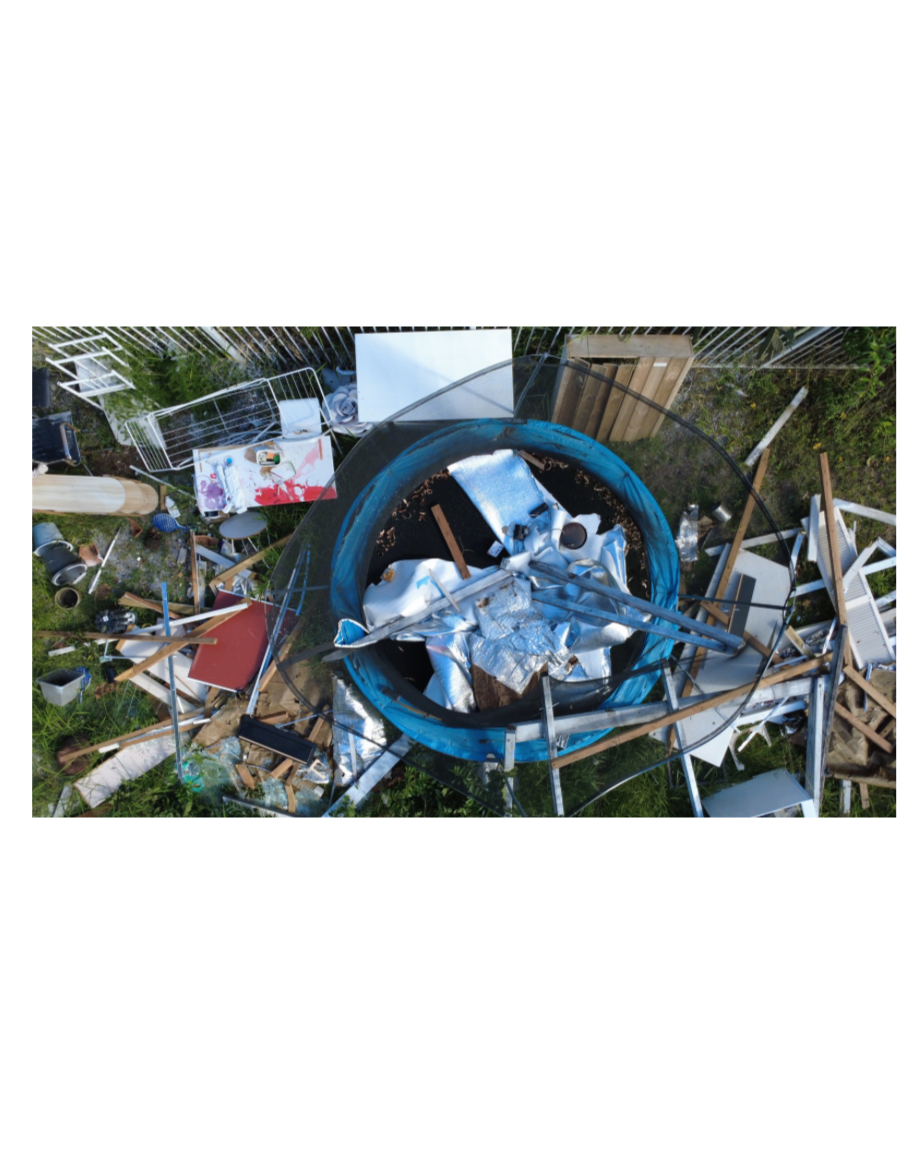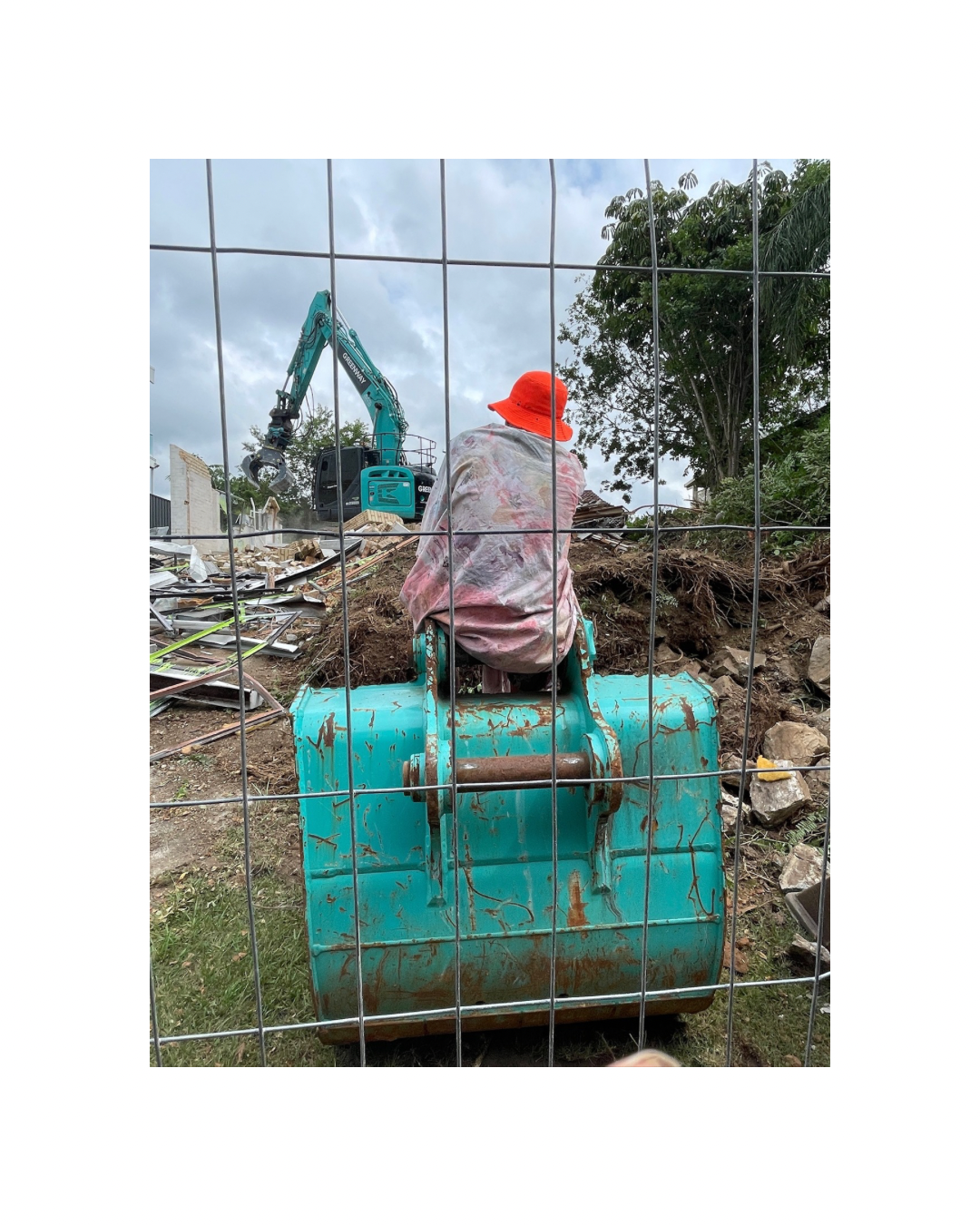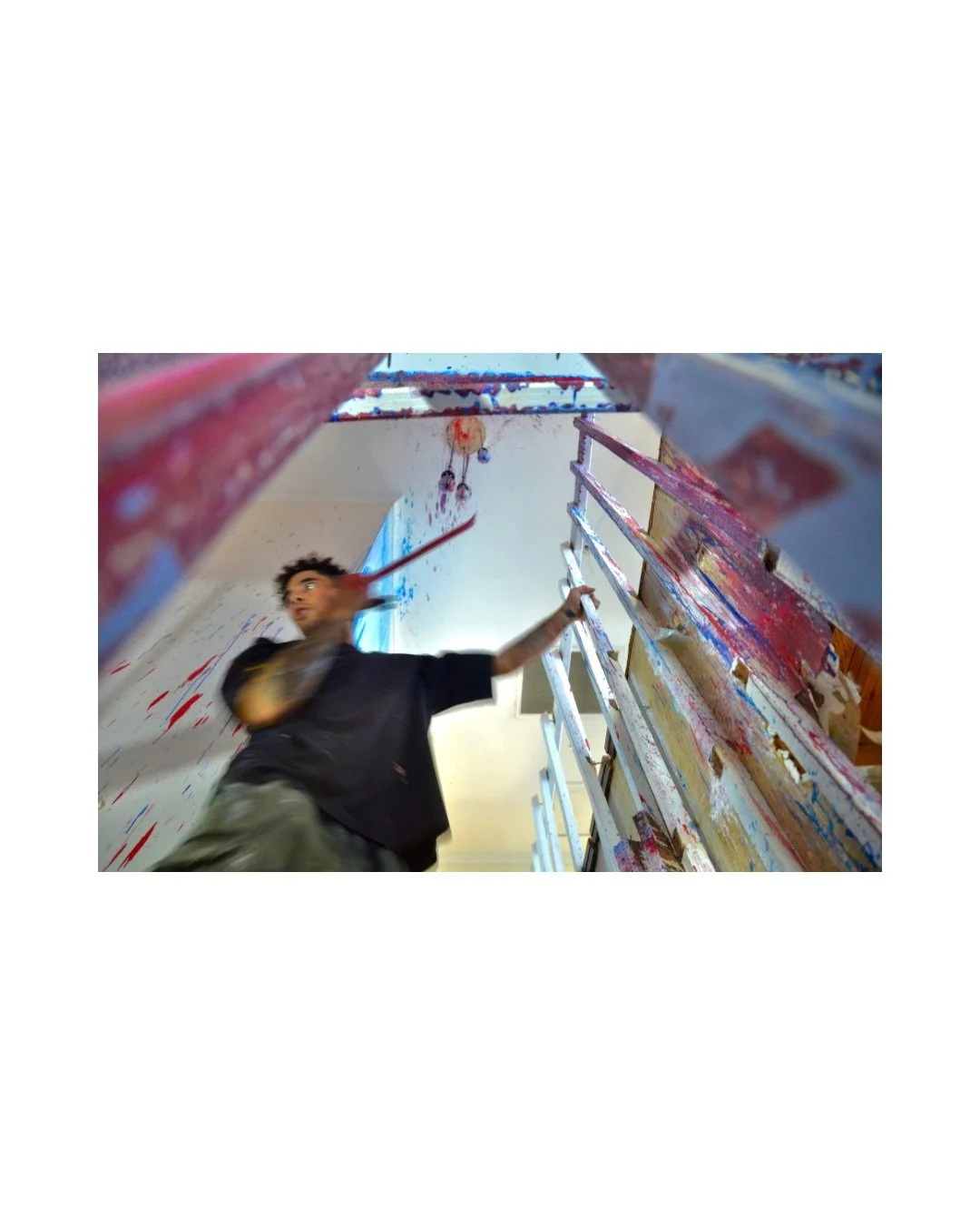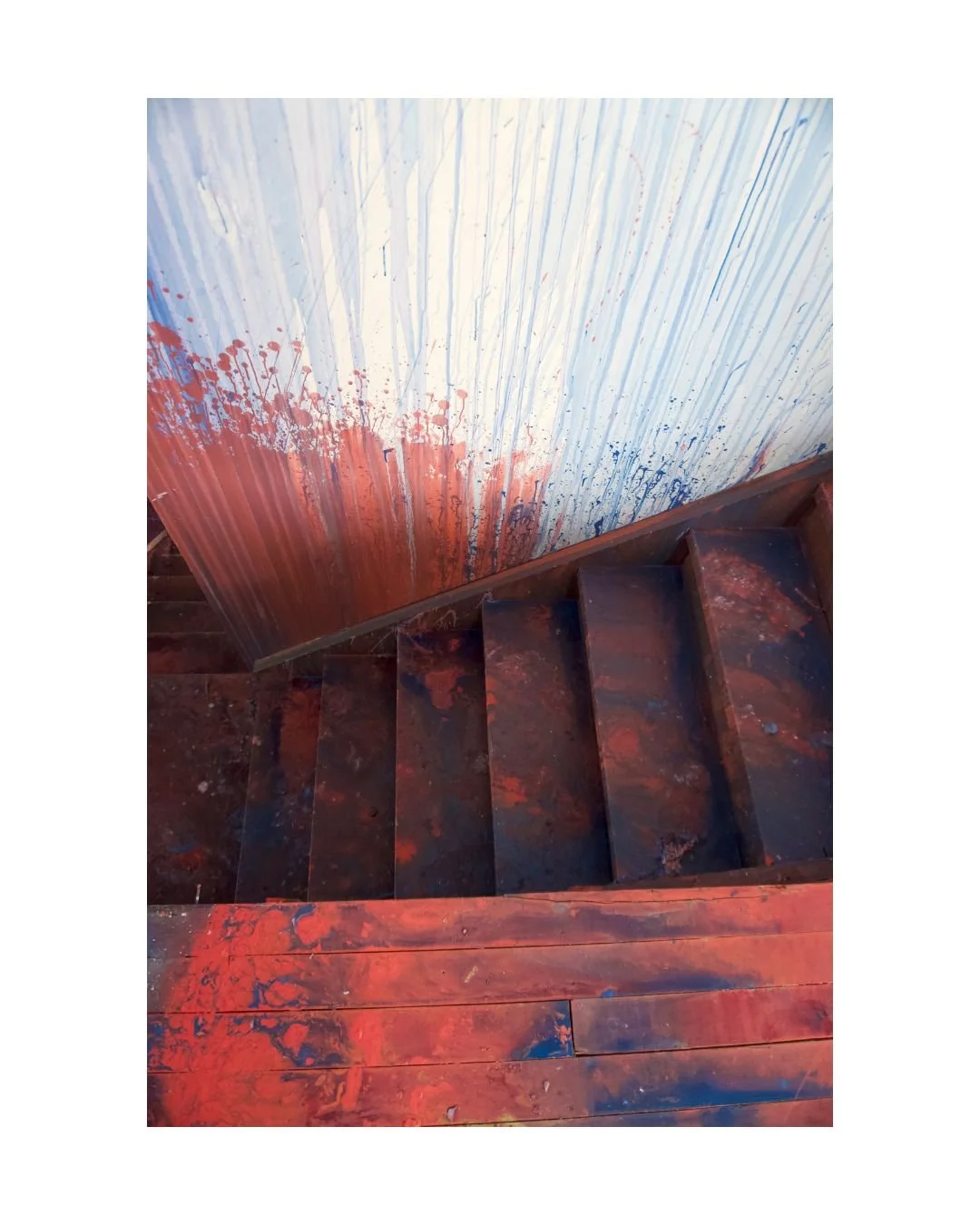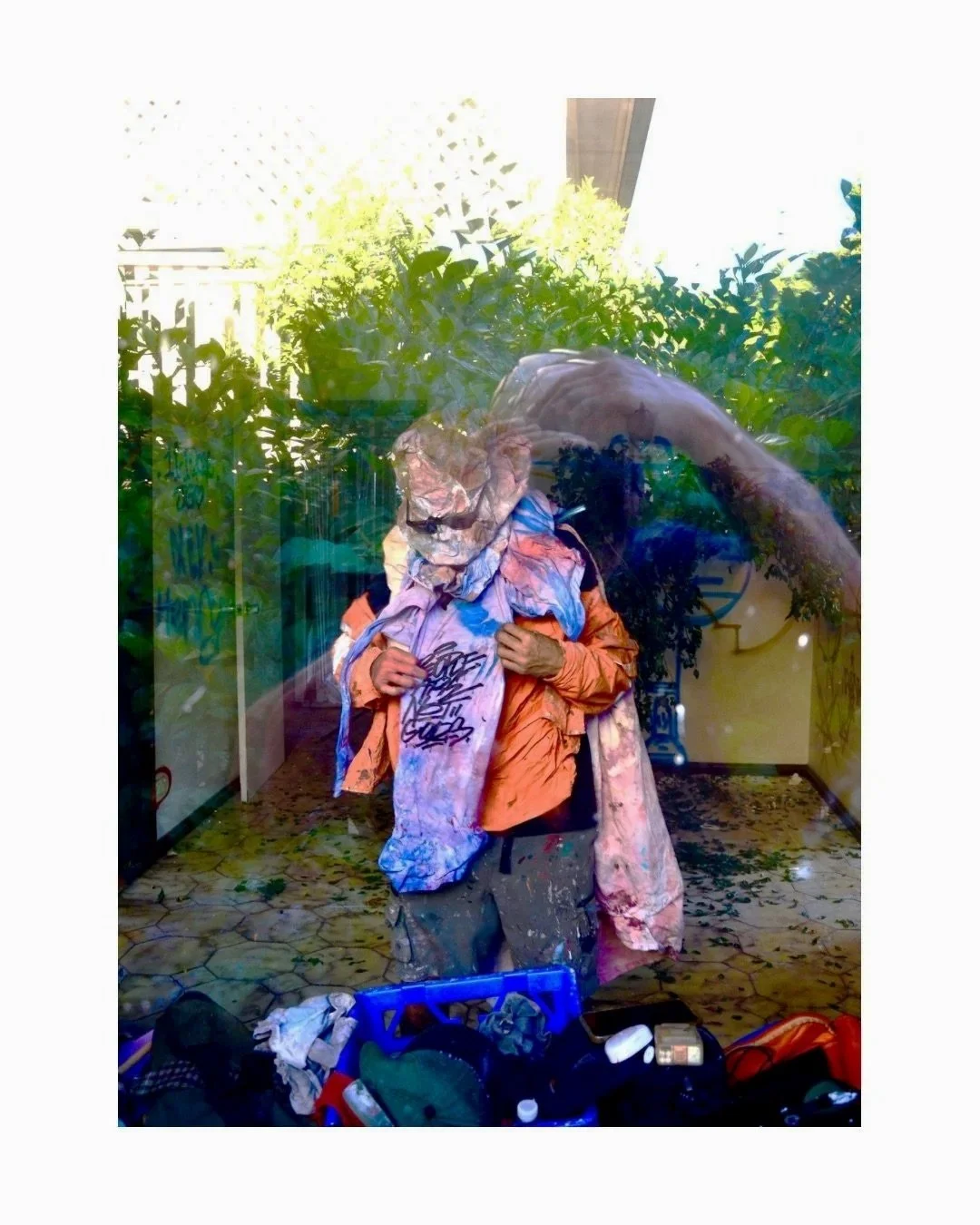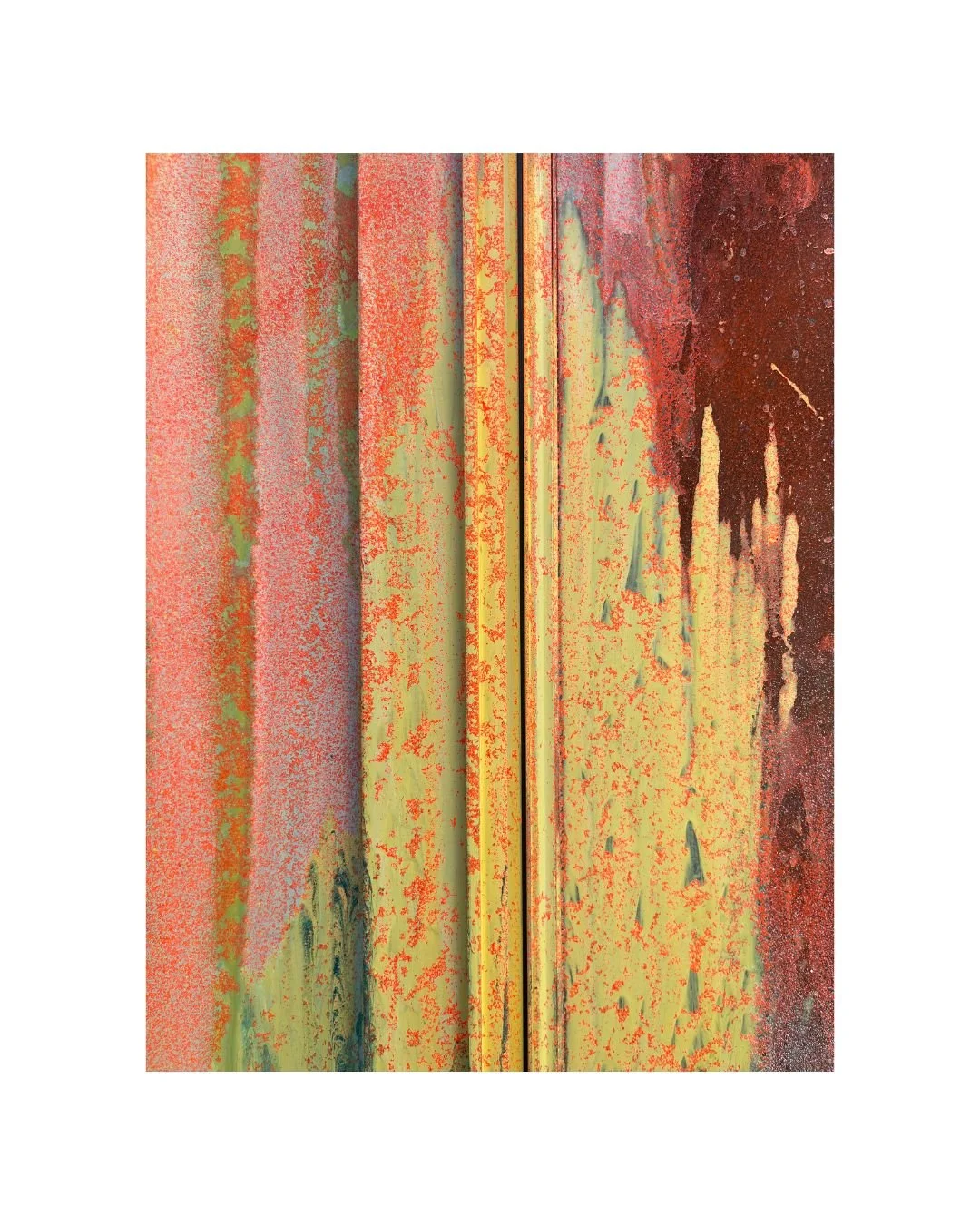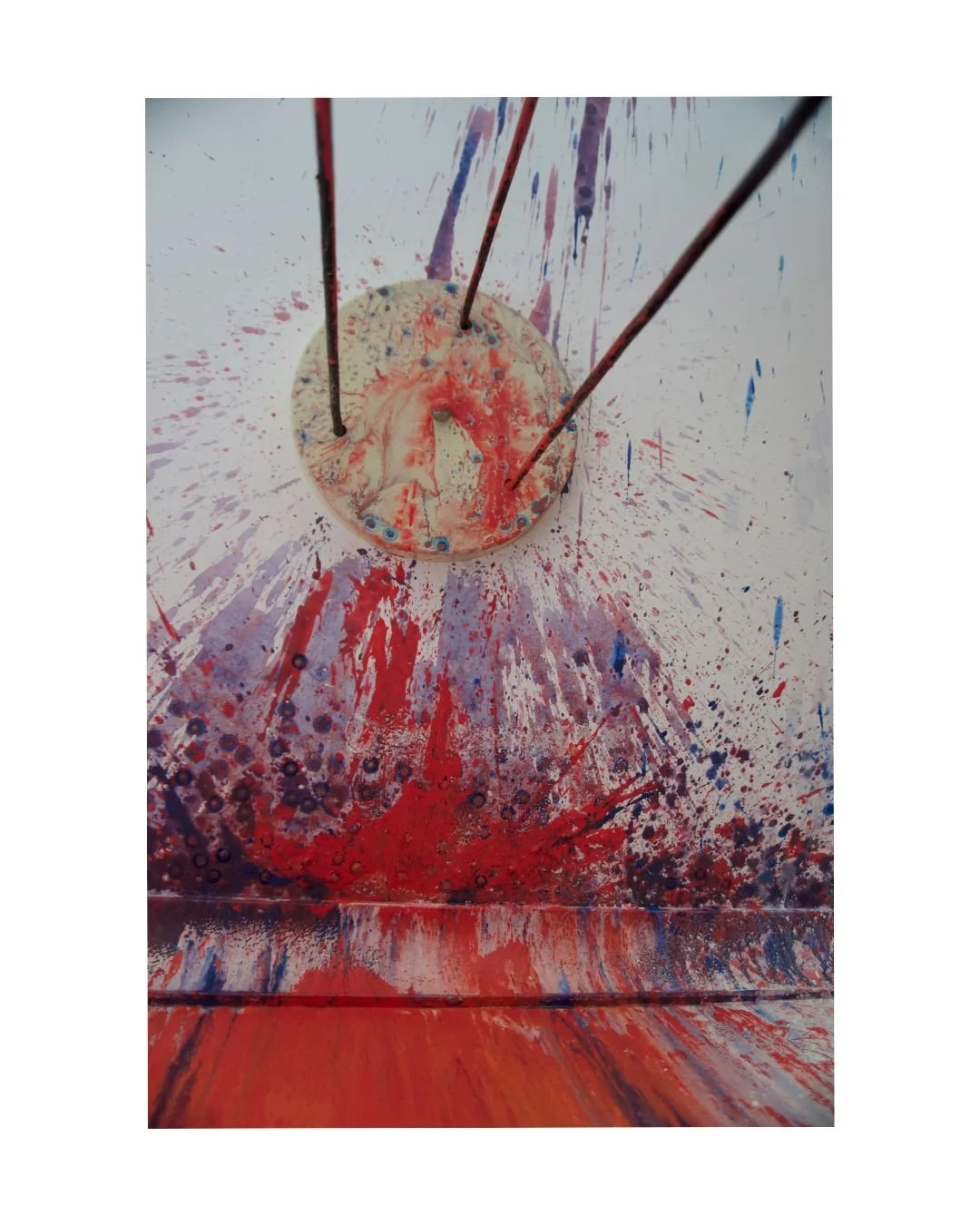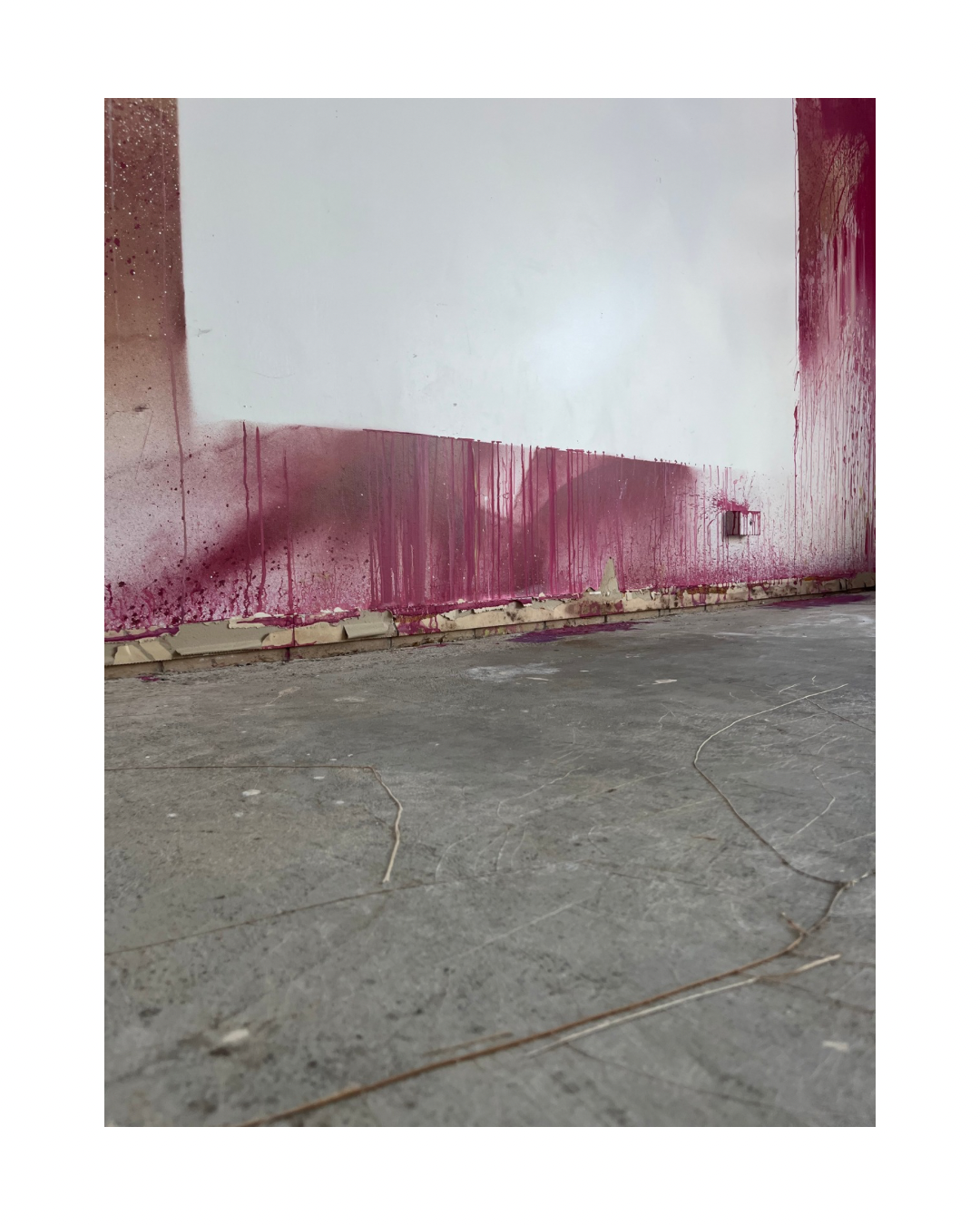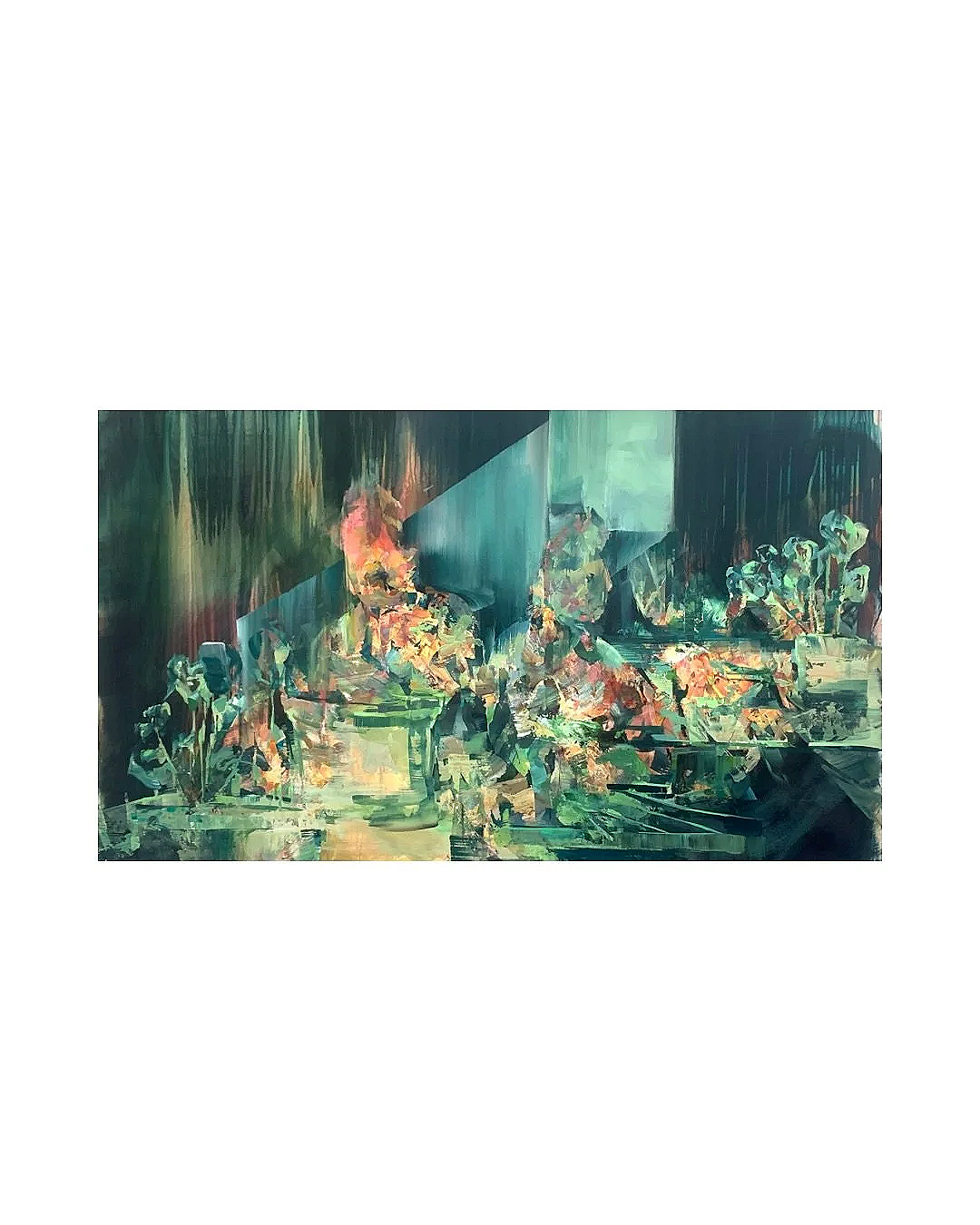
Marae, 2026. 160cm x 100cm
DWELLING
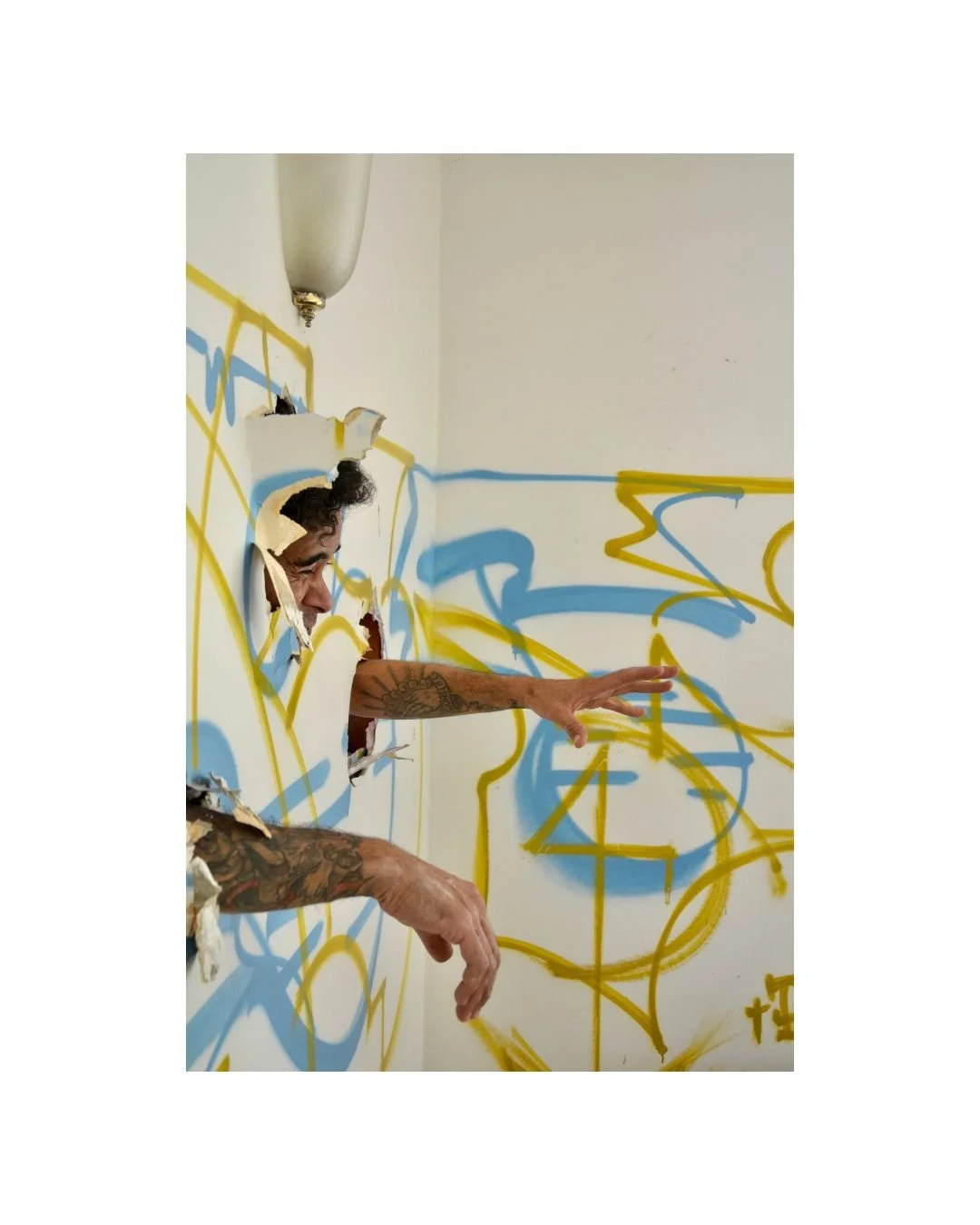
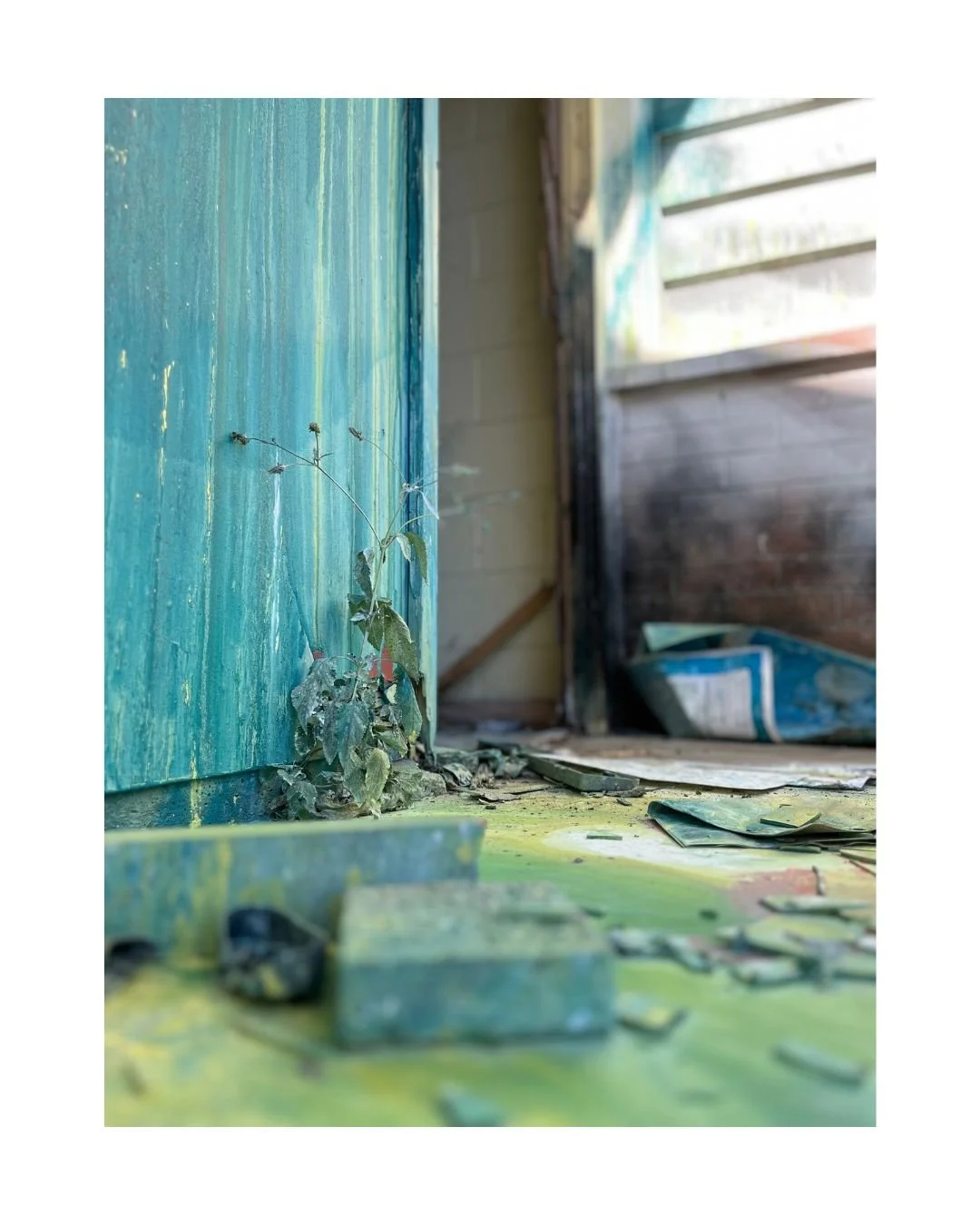
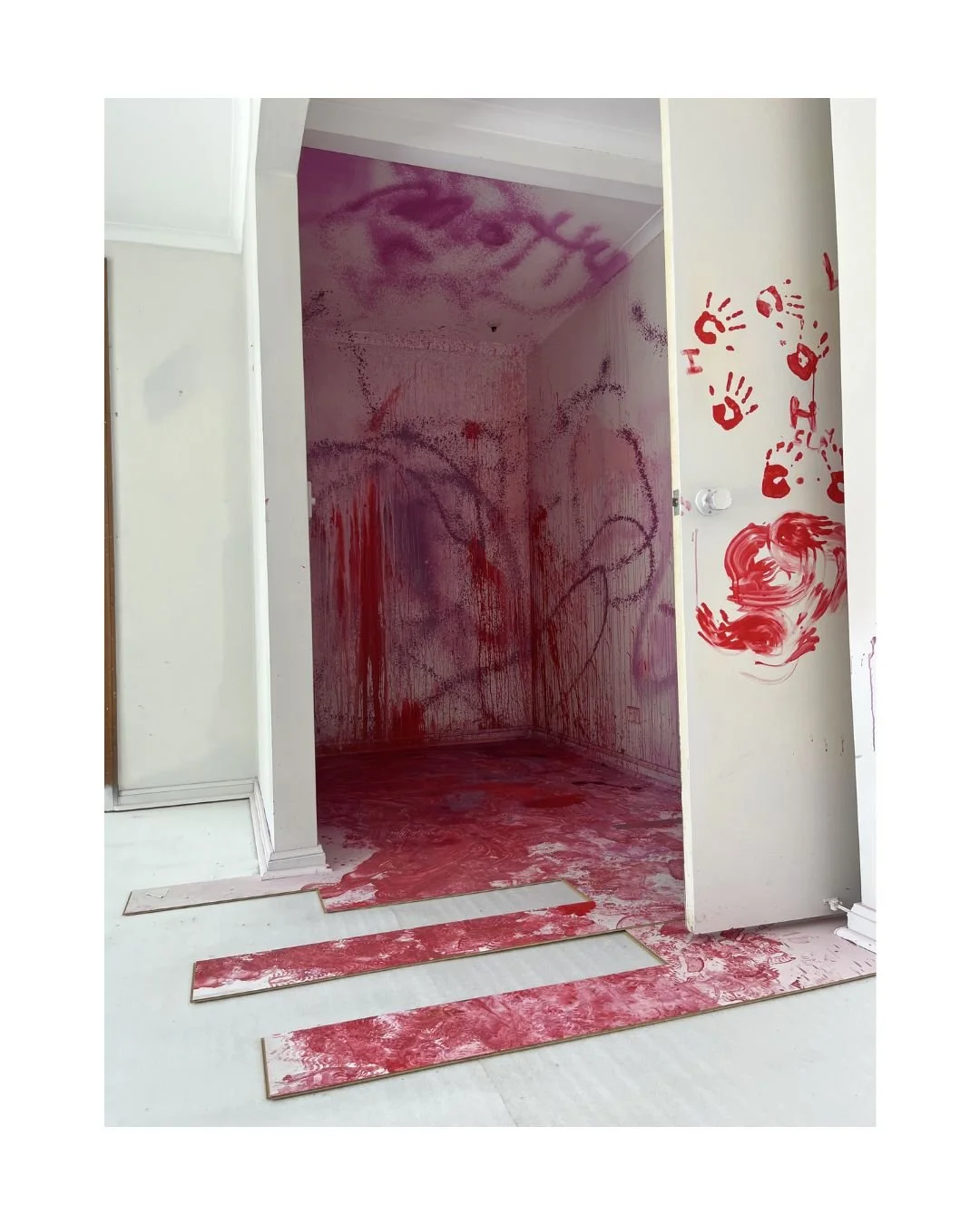
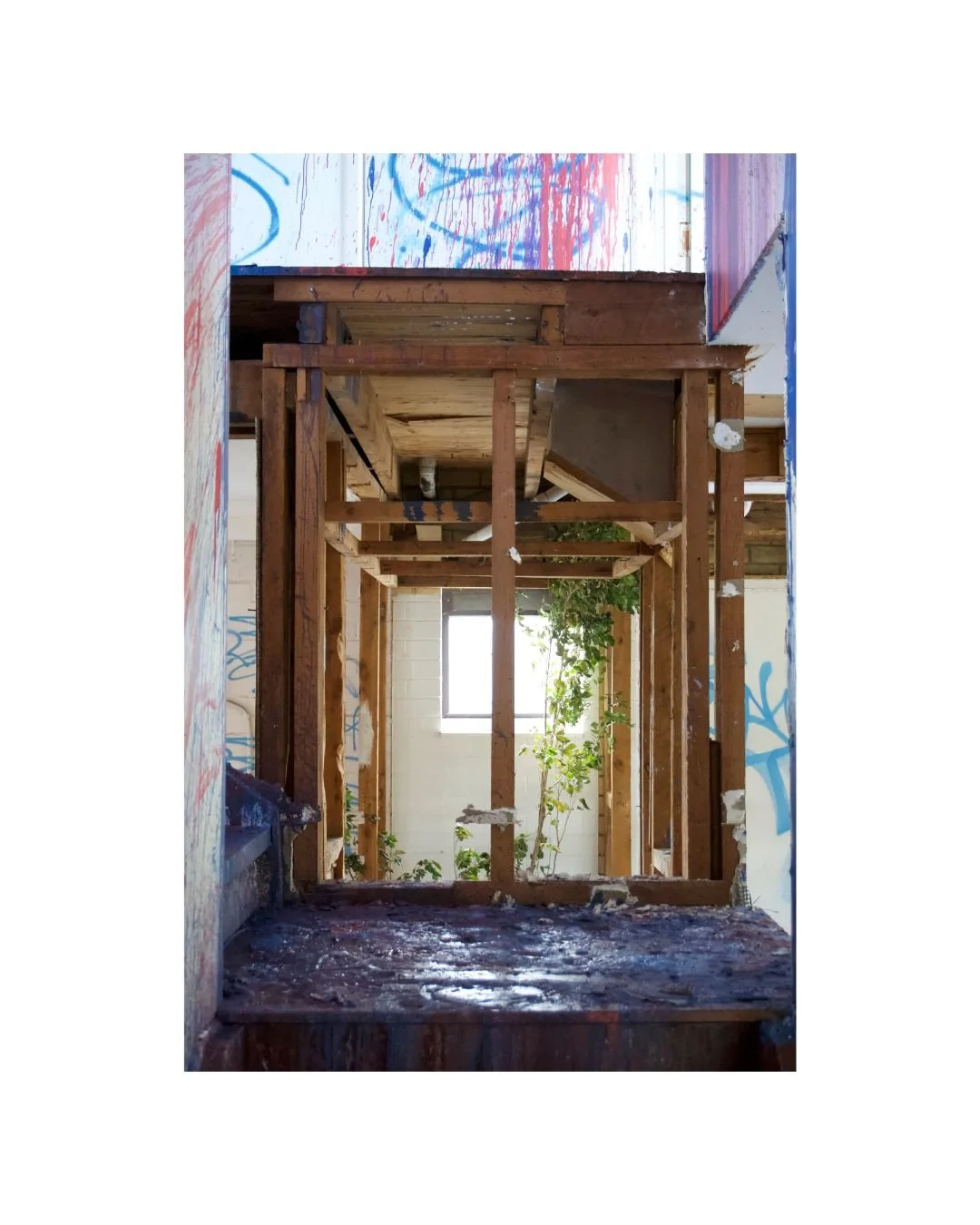
Jordache Gage’s new work Dwelling marks a focused development in the artist’s ongoing investigation into memory, space and the unstable condition of “home.” Developed through the painting of the interior of a Brisbane house awaiting demolition, the work is situated at the intersection of painting and site-responsive practice, positioning the domestic interior as a temporary space shaped as much by erasure as by inscription.
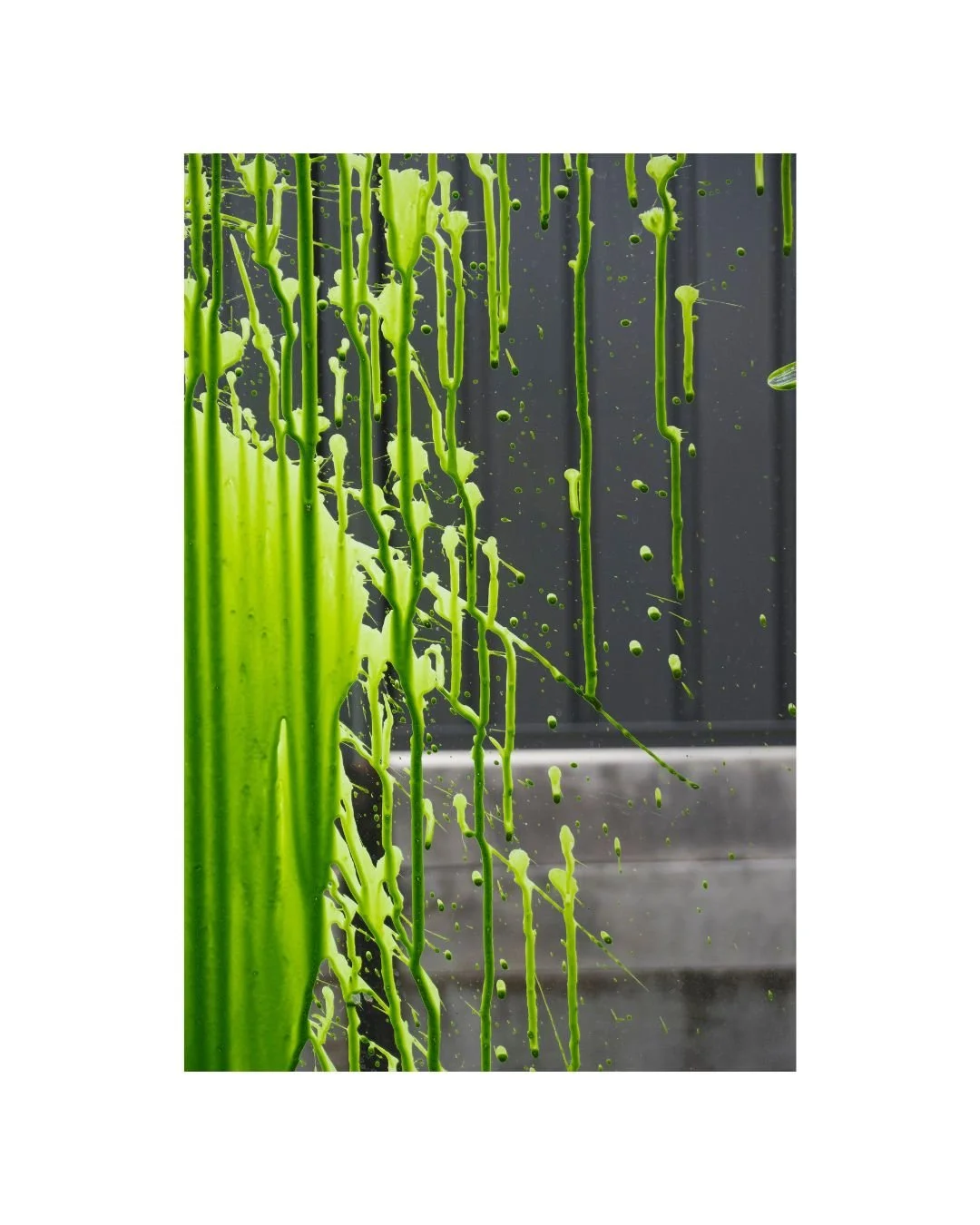
As an artist of Māori, Filipino, Chinese and English heritage, Gage brings a post-graffiti sensibility to the work. His gestural, layered mark-making is embedded in street-based practice, here stripped of permanence, as painted surfaces are subjected to demolition. Creation and destruction become inseparable, dispersing authorship across both artistic gesture and external force and reframing the house as a fleeting, unstable archive.
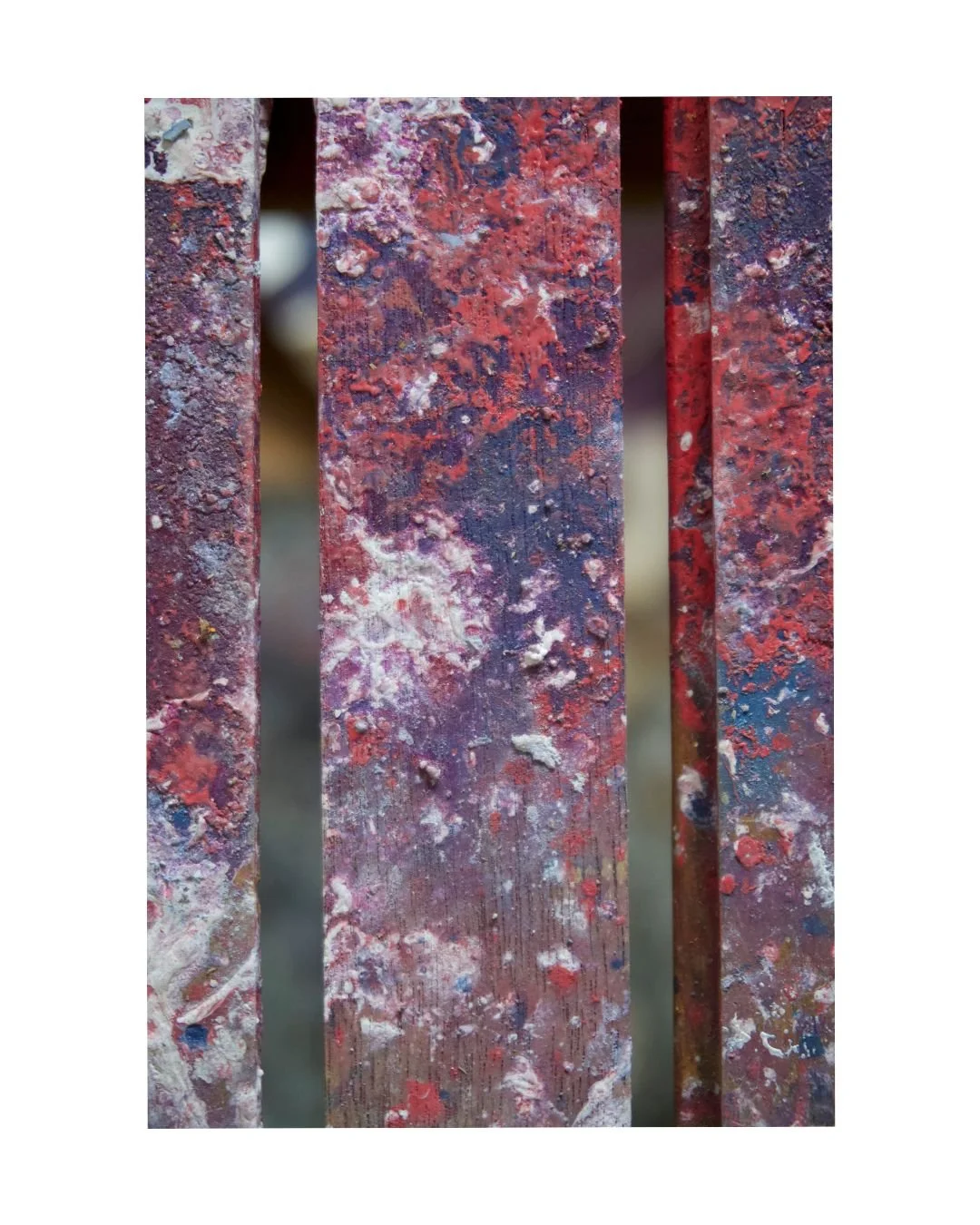
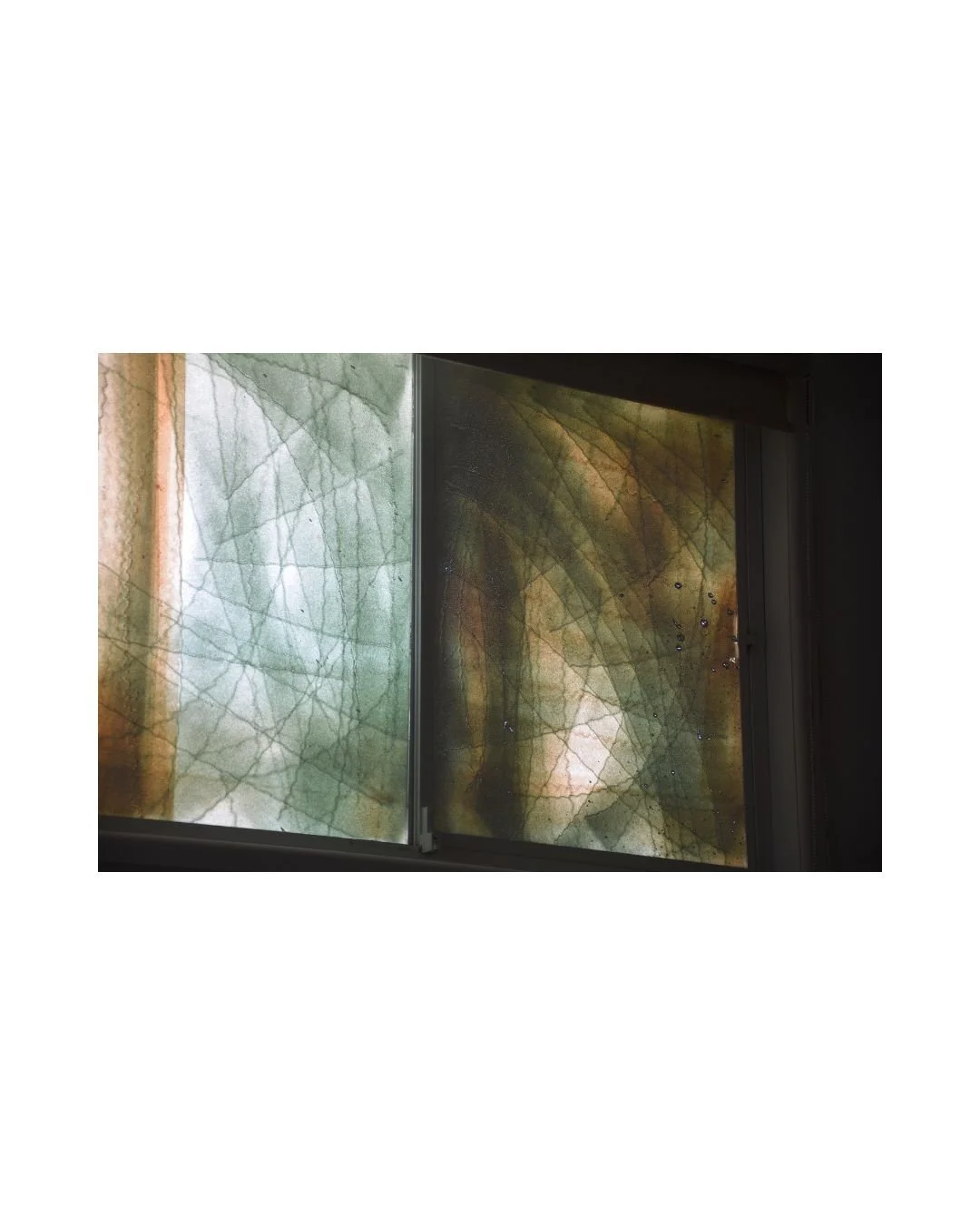
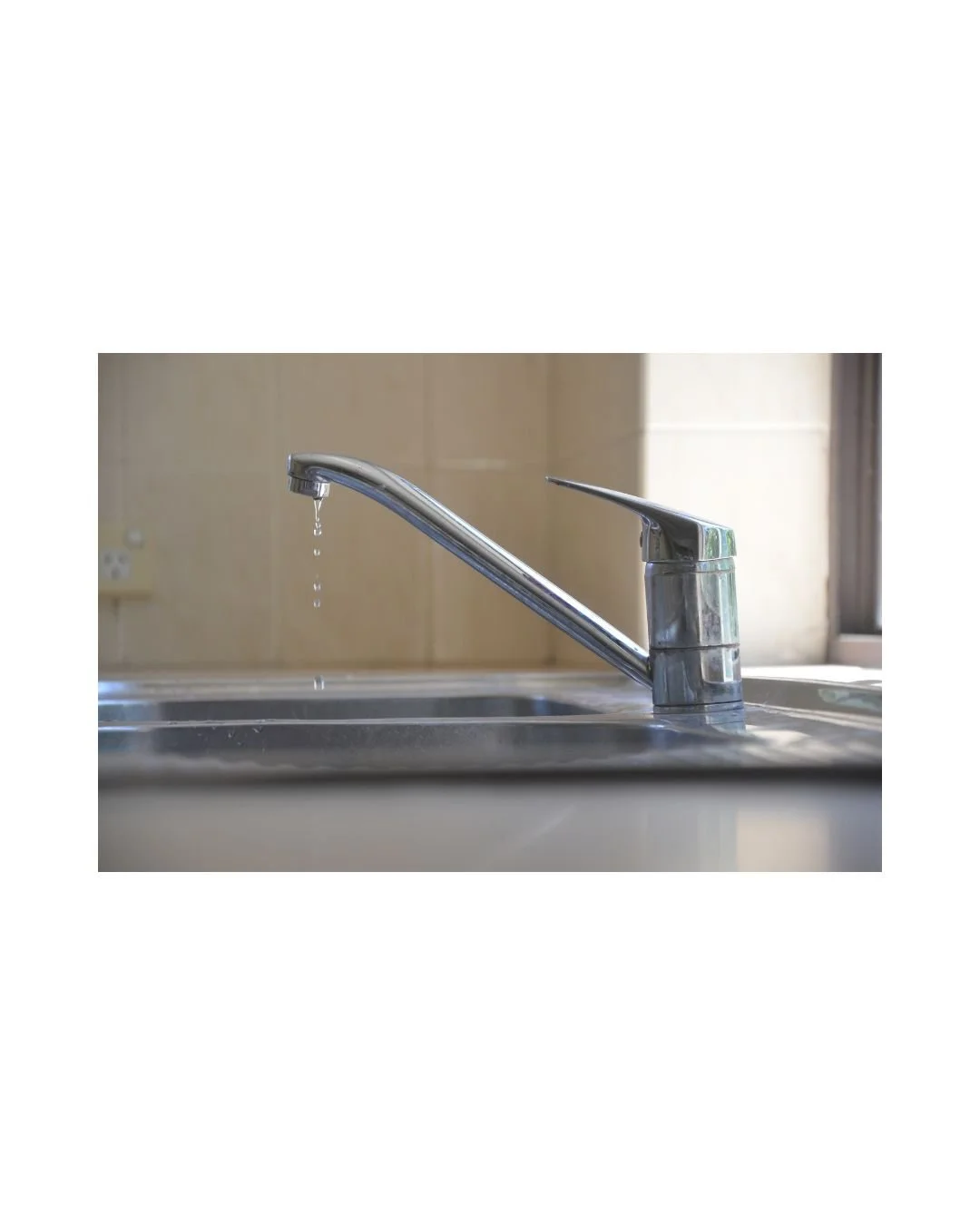
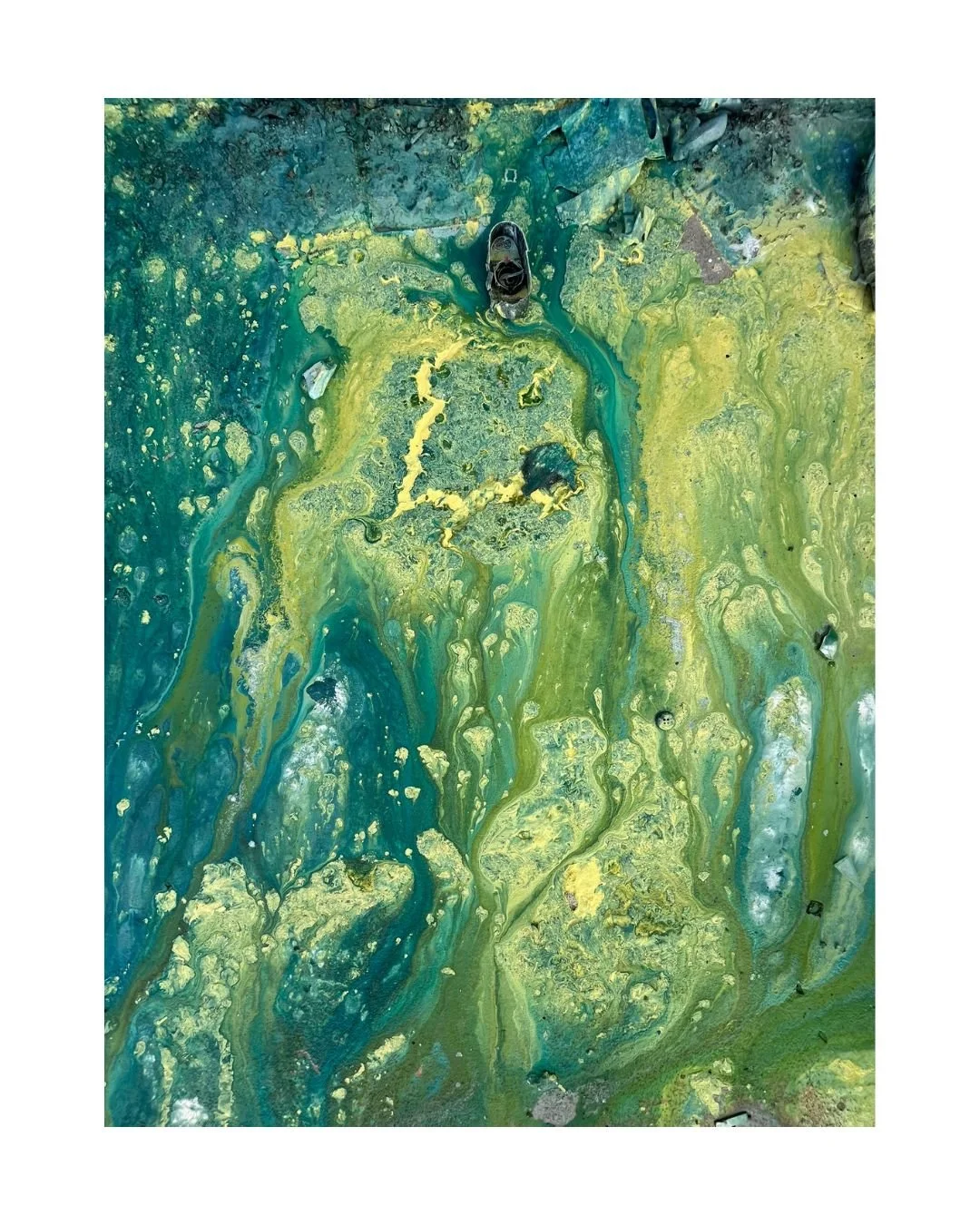
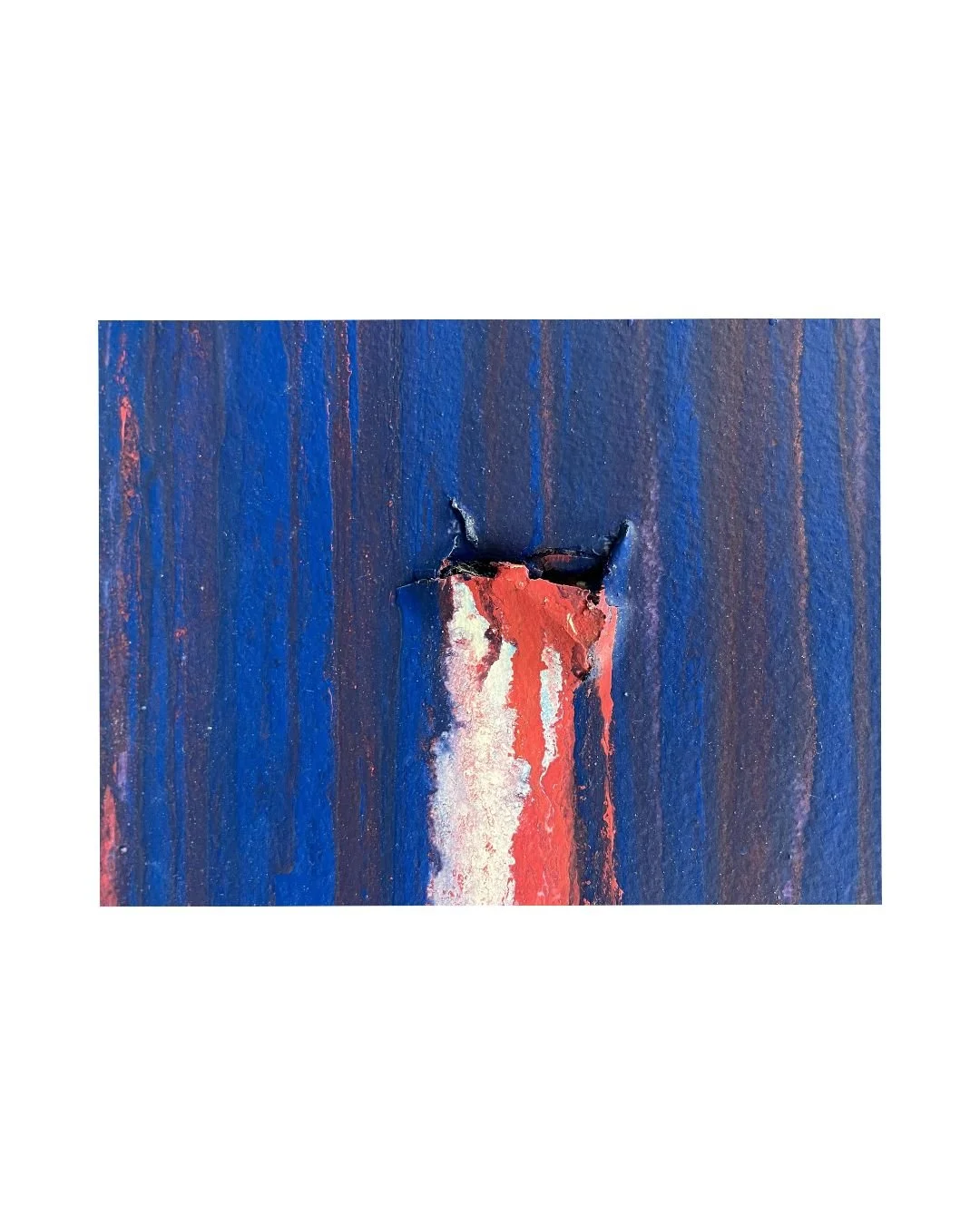
The exhibition brings together four earlier paintings on canvas with a new series of manipulated photographs of the house’s interior. These images are fragmented and mirror-imaged into recursive compositions, drawing on the visual logic of the kaleidoscope and the “Magic Eye” imagery of the artist’s childhood. Functioning as perceptual devices, they alternate between order and disorientation, suggesting both an attempt to make sense of chaos and a form of psychological escape.
Seen in relation to earlier works such as Existing Beyond Our Walls (2021), Gage’s engagement with the instability of interior space becomes more pronounced. In the painting, fractured architectural planes and shifting perspectives produce a disorienting, psychologically charged environment in which no single viewpoint holds. The domestic interior is rendered as unstable and fragmented, anticipating the concerns of Dwelling, where this spatial and psychological tension is no longer only depicted but physically enacted through demolition and reconstruction.
Dwelling aligns with a lineage of practices that position the home as a political site rather than a neutral or safe space. The domestic interior can be understood as a locus of control, invisibility and structural violence. Gage’s use of fragmentation, repetition and material vulnerability reflects trauma-informed approaches in which abstraction registers experiences that resist direct representation, particularly those shaped by silence and repression. At the same time, the reassembly of fragments suggests a reparative impulse, where damaged forms are reconfigured into new, provisional structures.
Dwelling brings together the residues of a process in which home is continually constructed and undone. What remains are partial, unstable forms that insist on home not as fixed, but as something contingent, fractured, and perpetually in flux.